
STRUGGLING With Stubborn Fat That Won’t Disappear? No Matter Your Age, No Matter What You Try...
It’s Still There…!
Absolutely Free Training Video
Reveals
The Game-Changing Secret To Vaporize Fat Cells!
Click the button below now, to Watch your Absolutely Free Training Video before it’s gone!
=> Yes ! Watch My Free Video Now !
A healthy diet must be maintained to maintain good health and avoid disease. However, there are several myths associated with the foods we eat, many of which are rooted in childhood preconceptions. These misconceptions are often encouraged by our own ideas about what we know or by others around us. For this reason, we may hesitate to question their validity.

Credit: Pexels
Don’t worry, this article will help you by addressing some of the most popular diet misconceptions and encouraging a healthy lifestyle. By clarifying these misconceptions, we can avoid bad eating habits and negative health effects. Continue reading to learn more.
A. Misconception #1: All fats are bad for you
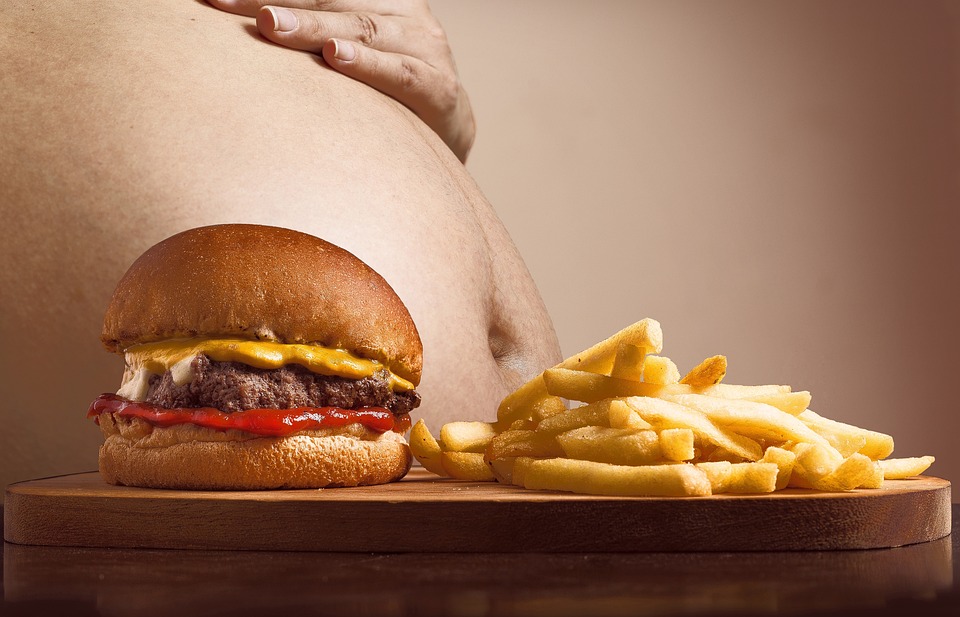
One of the most common dietary myths is that all fat is bad for you. There are many types of fats, some of which are beneficial for our health. Mandy Enrightlicensed nutritionist and nutritionist, says that “fats help with brain function, vitamin absorption, hormone production, and skin health.”
Credit: Pexels
For example, trans fats and saturated fats can increase the risk of heart disease and other health problems. These fats are common in processed meals, fried foods and animal products.
In turn, healthy fats such as monounsaturated and polyunsaturated fats are essential for our overall health. These fats can help lower cholesterol, reduce inflammation, and improve brain function. Nuts, seeds, avocados, fatty seafood and olive oil are all good sources of healthy fats.

Credit: Pixabay
Adding healthy fats to your diet can provide several benefits. For example, consuming enough healthy fats can help us feel fuller for longer, minimizing the likelihood of overeating or snacking on bad foods. Including healthy fats in our diet can also promote brain health, reduce the risk of cognitive decline, and promote mental well-being.
It is important to remember that while healthy fats are good for us, they are also heavy on calories. For this reason, it is important to take them in moderation as part of a balanced diet.
Check out these natural remedies to control diabetes as soon as possible here.
B. Misconception #2: Carbohydrates should be avoided
Carbohydrates are essential macronutrients for our body’s energy and general well-being. “Carbohydrates are your body’s fuel,” says the registered dietitian Lisa Young“and it’s important to have the right types and amounts for optimal health.”

Credit: Pixabay
It is a common belief that all carbohydrates are bad and should be avoided. However, carbohydrates are classified into two types: simple and complex. Sugar, honey and fruit are examples of simple carbohydrates. These carbohydrates provide immediate energy, but are not particularly satisfying and may cause a spike in blood sugar.
Carbohydrates are an essential part of a balanced diet because they give us energy to get us through the day. Carbohydrates should actually make up a significant portion of our daily caloric intake. However, it’s important to choose whole grains and vegetables as healthy sources of carbohydrates over processed or refined carbohydrate sources such as white bread and pastries.

Credit: Pixabay
In addition to energy, carbohydrates play an important role in supporting brain function and in our body’s recovery after exercise. That’s why it’s important to include carbohydrates as part of a varied, balanced diet.
C. Misconception #3: Supplements can replace a healthy diet
A common misconception about nutrition is the belief that supplements can replace a healthy diet. Although supplements can provide a convenient way to meet our nutritional needs, they should not be considered a substitute for whole, nutritious foods.

Credit: Pixabay
Studies show that more than 50% of adults report using supplements. But it’s important to understand that supplements are designed to supplement the nutrients we already get from our diet. For example, taking a multivitamin can help ensure that we get a range of important vitamins and minerals. However, it is important to keep in mind that supplements cannot provide all the benefits of a whole food.
Therefore, while supplements can be an excellent addition to a healthy diet, it is best to prioritize getting nutrients from whole, nutritious foods whenever possible. Supplements are useful to fill nutrient deficiencies in our diet.

Credit: Pixabay
But they should never replace a balanced, holistic diet. Whenever possible, try to get nutrients from the right food sources. By doing this, you are doing your body a favor by providing it with the essential nutrients it needs to thrive.
See here how supplements can help you lose weight.
D. Misconception #4: Eating late at night leads to weight gain
A common ignorance related to diet is that eating late at night increases the risk of weight gain. However, there is no scientific evidence to support this idea. The total number of calories taken during the day, regardless of the time of day, affects weight gain or loss.

Credit: Pixabay
Although a large meal before bed may cause pain or impair sleep, eating late at night is not inherently harmful and is not directly linked to weight gain. The most important thing is the quantity and quality of meals eaten during the day.
E. Misconception #5: Eating healthy is expensive
Another widespread nutrition myth is that eating healthy is expensive. While certain nutritious meals may be more expensive than processed or unhealthy options, budget-friendly healthy food options are widely available.

Credit: Pixabay
Oatmeal or porridge, eggs, canned beans and frozen vegetables are examples of inexpensive healthy diets. Oats can provide multiple servings of a healthy breakfast option, while eggs are a flexible and cost-effective source of protein. Canned beans are high in protein and fiber and can be used in salads, soups and other dishes. Frozen vegetables are often cheaper than fresh and can complement meals with additional nutrients.
Don’t let the cost of food stop you from making it a priority for your overall health and well-being. Choose from many nutritious and affordable options.
F. Misconception #6: Breakfast is the most important meal of the day
Another illusion is that breakfast is the most important meal of the day. Although breakfast can be an excellent source of energy and nutrients for some people, its importance is overrated. It is essential to maintain a balanced and varied diet throughout the day that includes nutrient dense foods such as fruits, vegetables, whole grains, lean proteins and healthy fats.

Credit: Pixabay
Skipping breakfast can be a viable option for people who don’t feel hungry in the morning or those who practice intermittent fasting. On the other hand, for those who need a meal to sustain energy levels and focus throughout the day, breakfast can be crucial.
The key to optimal health is to find a suitable, versatile and individual approach to nutrition for you. This may mean eating breakfast or skipping it. However, the most important thing is to eat a healthy and nutrient-rich diet in order to achieve and maintain general well-being.
Finally,
There are many myths in the nutrition world that can hinder our ability to maintain a healthy diet. Beliefs such as “all fats are unhealthy,” “carbohydrates should be avoided,” and “supplements can replace a healthy diet” can lead to poor eating habits and negative health outcomes. It is essential to dispel these misconceptions and focus on a balanced, well-rounded diet that includes healthy carbohydrates and fats, whole, nutrient-dense foods, and cost-effective options to improve lifestyle and avoid the negative consequences of poor nutritional choices.
Eating late at night does not directly cause weight gain. A balanced diet spread throughout the day is better than eating a lot at night or in the morning. There is no reason to conclude that healthy eating is more expensive than an unhealthy diet. By prioritizing your health and well-being and choosing a healthy and nutritious diet, you will achieve a healthy and fulfilling lifestyle.